Planning a safari in Tanzania can feel like opening a door to a completely different world. Wide golden plains, towering acacia trees, powerful lions, huge elephant herds, and thousands of wildebeest create scenes that stay in your memory for years. At the heart of this experience is Great Migration Tanzania, one of the most fascinating wildlife movements on the planet. Every year, enormous herds travel through the Serengeti ecosystem in search of fresh grass and water.
For travelers, understanding the timing, locations, weather, accommodation, and safari conditions can make the journey much more enjoyable. Whether you are traveling alone, with family, or as a couple, knowing what to expect helps you plan with confidence. From Tanzania safari in August to the cost of a family adventure and a romantic Tanzania honeymoon safari and Zanzibar escape, there are many ways to experience this remarkable destination.
Understanding Great Migration Tanzania
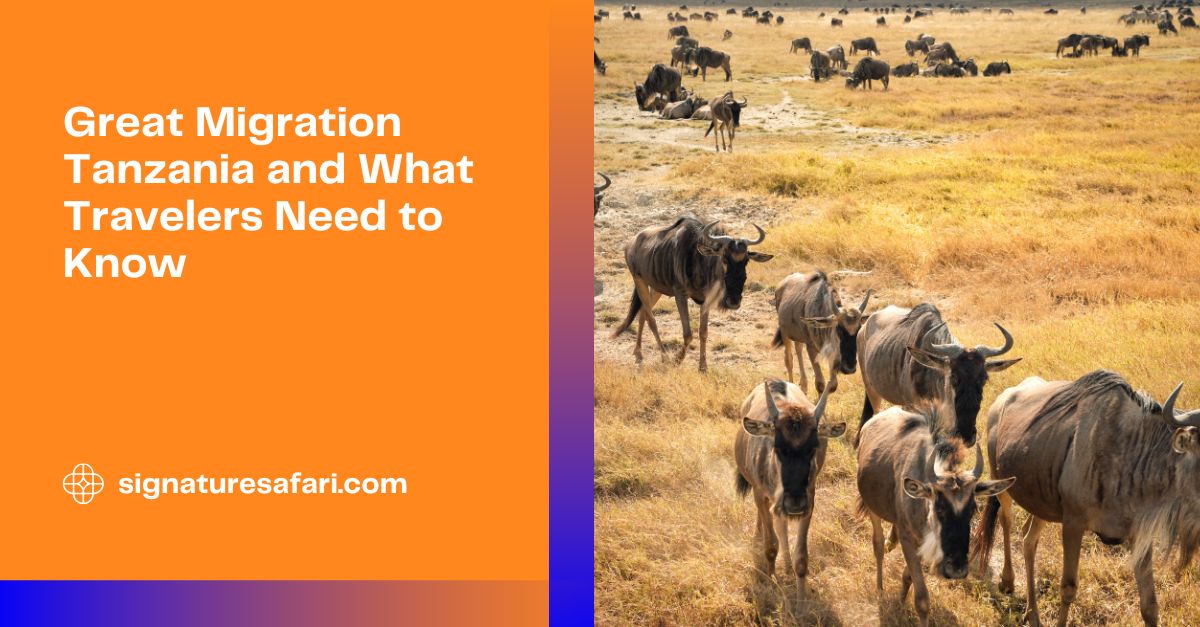
Great Migration Tanzania is not a single event that happens on one specific date. Instead, it is a continuous natural cycle involving large herds of wildebeest and zebras moving through the Serengeti and surrounding ecosystems. Their movement is closely connected to rainfall, fresh vegetation, water availability, and natural instincts.
This is what makes a migration safari so exciting. You cannot simply arrive at a location and expect thousands of animals to appear at a precise time. Nature has its own calendar. Some days may bring a spectacular gathering, while another day may offer a quieter wildlife encounter. That unpredictability is part of the adventure.
Why Travelers Choose Tanzania for the Migration
Tanzania offers a remarkable combination of wildlife, landscapes, culture, and established safari destinations. The Serengeti provides enormous open spaces where travelers can observe animals in their natural environment. The experience is very different from watching wildlife behind fences because the animals determine where the action happens.
A safari vehicle can move across the plains while your guide searches for signs of wildlife. Suddenly, a herd may appear beyond a ridge. A group of zebras may cross the road. A lion may rest beneath a tree. These unexpected moments give the journey its character.
Best Time to Experience Great Migration Tanzania
The ideal travel period depends on what you want to see. Different parts of the year bring different landscapes and wildlife experiences. Some months are associated with fresh green vegetation and young animals, while drier periods can make wildlife easier to spot in certain areas.
Many travelers focus on the middle and later parts of the year because migration activity can bring large herds into northern areas of the Serengeti. However, migration timing changes according to environmental conditions, so it is important to view seasonal patterns as general guidance rather than an exact timetable.
Tanzania Safari in August
Tanzania safari in August is particularly popular among travelers who want to explore during the dry season. With less vegetation in many areas and water sources becoming more limited, wildlife can sometimes be easier to locate. The weather can also be comfortable for extended game drives.
August is often associated with migration activity in northern Serengeti. Depending on conditions, travelers may have opportunities to see large herds and possibly witness river crossing behavior. These moments can be dramatic, but they are never guaranteed. Patience is essential because wildlife does not perform according to a visitor schedule.
Migration Experiences Beyond August
Although Tanzania safari in August receives considerable attention, other months can also provide memorable experiences. Earlier periods may offer greener landscapes, while later months can continue to provide wildlife viewing opportunities as herds respond to changing environmental conditions.
Rather than choosing a month simply because it is popular, consider the type of landscape and wildlife experience you prefer. A quieter season may suit travelers who value peaceful game drives, while peak periods may appeal to those hoping to experience busy wildlife areas and major seasonal activity.
Serengeti National Park and Wildlife Viewing
The Serengeti is central to Great Migration Tanzania. Its enormous grasslands support large populations of grazing animals and predators. While wildebeest are the stars of the migration story, they share the ecosystem with zebras, gazelles, lions, cheetahs, leopards, elephants, giraffes, buffalo, and many bird species.
The Serengeti also offers a broader safari experience beyond migration. You might spend one morning watching a pride of lions and the next exploring an area where elephants are feeding. This variety means your trip does not depend entirely on finding a migration gathering.
Northern Serengeti and River Crossing Opportunities
Northern Serengeti can become an important area for migration viewing during certain periods. Herds may gather around river systems before continuing their journey. The anticipation itself can become part of the experience.
River crossings are among the most dramatic scenes associated with Great Migration Tanzania. Herds may gather at the edge of a river for some time before deciding to move. When the crossing begins, dozens or hundreds of animals may suddenly enter the water. The scene can change in seconds, which makes patience and careful observation extremely valuable.
Why River Crossings Are Unpredictable
Travelers should understand that a river crossing cannot be guaranteed. Animals may remain in an area for hours or move away without crossing. Weather and environmental conditions also influence their behavior.
A good safari is therefore not about chasing one perfect photograph. It is about appreciating the entire journey. Even if a crossing does not happen while you are watching, the surrounding wildlife and landscape can still create remarkable memories.
Ngorongoro Crater as a Safari Addition
Adding Ngorongoro Crater to a Tanzania safari can provide a completely different wildlife experience. The crater is surrounded by dramatic scenery and contains varied habitats where numerous species can be observed.
After spending time following migration activity across open plains, entering the crater can feel like changing chapters in the same story. The landscape becomes more enclosed, while wildlife viewing remains highly rewarding. This combination can make a Tanzania itinerary feel much richer.
Tarangire National Park and Elephant Encounters
Tarangire National Park is another valuable addition for travelers who want to explore more of Tanzania. The park is known for its distinctive scenery and impressive elephant presence. Large baobab trees create a memorable backdrop, especially when elephants move across the surrounding plains.
Including Tarangire can give your safari greater variety. Instead of spending every day focused on migration movement, you can explore another ecosystem with its own wildlife character.
Tanzania Family Safari Cost and Budget Planning
Tanzania family safari cost depends on several factors, including the number of travelers, length of the trip, accommodation type, transportation, safari season, and activities included in the itinerary. Families should consider the complete travel experience rather than focusing only on the daily safari price.
Accommodation can make a significant difference. Luxury lodges and private camps offer more facilities and personalized services, while other properties can provide comfortable experiences at a different price level. Transportation choices and the length of your stay also influence the overall budget.
Planning a Comfortable Family Safari
When considering Tanzania family safari cost, comfort should remain part of the calculation. Young children may find extremely long drives tiring, so a thoughtfully designed itinerary can make the journey easier. Regular breaks, comfortable accommodation, suitable meal arrangements, and engaging activities can help children enjoy the adventure.
Safari can also become an unforgettable learning experience for children. Instead of reading about wildlife in a classroom, they can observe elephants, giraffes, birds, and other animals in their natural surroundings. It is education with the whole landscape as the classroom.
Tanzania Honeymoon Safari and Zanzibar
Couples looking for a romantic adventure can combine wildlife viewing with coastal relaxation. A Tanzania honeymoon safari and Zanzibar itinerary allows travelers to experience the excitement of national parks before enjoying the beaches and cultural atmosphere of Zanzibar.
The contrast is wonderful. One part of the trip can involve early morning game drives, open grasslands, and wildlife encounters. Later, you can slow the pace beside the Indian Ocean, enjoy fresh food, explore coastal areas, and spend quiet time together.
Creating a Romantic Safari Experience
A Tanzania honeymoon safari and Zanzibar journey can be designed around comfort and privacy. Couples may prefer intimate camps, private game drives, scenic dining, and relaxed schedules. The goal is not to rush from one attraction to another but to create moments that feel personal.
Zanzibar can then provide a peaceful ending. After several days surrounded by wildlife and changing landscapes, time near the ocean can feel like the perfect pause.
Choosing the Right Safari Accommodation
Your accommodation can influence the atmosphere of the entire trip. Safari lodges provide a traditional base for wildlife exploration, while tented camps can create a closer connection with the surrounding environment.
When choosing where to stay, consider location, comfort, accessibility, dining options, and the style of experience you want. Staying in a convenient area can reduce unnecessary travel and give you more time for wildlife viewing.
Comfort Matters on Long Safari Days
Safari days can begin early and involve several hours on the road. A comfortable place to rest afterward can make a noticeable difference. Think of your accommodation as your recharge station. After a day of excitement, having a welcoming place to relax allows you to enjoy the next morning with fresh energy.
Wildlife Photography During the Migration
Great Migration Tanzania offers outstanding opportunities for photography. Huge herds create dramatic landscape scenes, while individual animals provide intimate portraits. You do not need expensive professional equipment to capture meaningful memories.
Patience is often more valuable than technology. Watch animal behavior before pressing the shutter. Notice how the light changes, where the animals are moving, and what is happening in the surrounding landscape. Sometimes the most memorable image is a simple moment that tells a story.
What Travelers Should Pack
Safari packing should focus on comfort, practicality, and protection from changing conditions. Lightweight clothing can be useful during warm days, while warmer layers may help during cool mornings and evenings. Comfortable footwear is also important because safari days can involve long periods of travel and occasional walking where permitted.
Sun protection is essential. Travelers should also consider a hat, sunglasses, personal toiletries, camera equipment, and any required medications. Keeping luggage practical makes moving between accommodations easier.
How Safari Guides Improve the Experience
A knowledgeable guide can transform a simple game drive into a deeper wildlife experience. Guides understand animal behavior, local geography, seasonal patterns, and signs that might be invisible to an unfamiliar visitor.
For Great Migration Tanzania, this knowledge becomes particularly valuable because herds are constantly moving. Your guide can interpret tracks, animal behavior, recent sightings, and environmental conditions while helping you understand what you are seeing.
Responsible Tourism and Wildlife Protection
Responsible wildlife viewing is essential for protecting Tanzania's natural environments. Travelers should follow park rules, respect suitable distances from animals, avoid disturbing wildlife, and listen carefully to their guides.
The Serengeti is not a stage created for tourists. It is a functioning ecosystem where animals need space to feed, rest, hunt, migrate, and raise young. Treating the environment with respect helps preserve the experience for future generations.
Planning Your Great Migration Tanzania Adventure
Start your planning by deciding what matters most to you. Perhaps you want to see huge wildebeest herds, explore several national parks, enjoy photography, travel with children, or combine wildlife with a romantic beach holiday.
Once your priorities are clear, you can select the season, safari duration, accommodation, and destinations accordingly. This approach is more useful than trying to copy another traveler's itinerary because every traveler has different expectations.
Allow Room for Unexpected Moments
The magic of a safari often appears when you least expect it. You may plan your day around migration viewing and instead encounter a leopard resting in a tree. You may hope for a river crossing and discover a beautiful elephant encounter nearby.
Leave some room for spontaneity. A flexible mindset can turn unexpected changes into some of the strongest memories of your trip.
Making Your Tanzania Safari Memorable
A successful safari is not measured only by how many animals you see. It is also about how deeply you experience the landscape. Listen to the sounds of the plains in the early morning. Watch the changing light. Notice small details that are easy to miss when you are focused only on major wildlife sightings.
Great Migration Tanzania provides a spectacular central story, but the destination offers much more around it. From the Serengeti and Ngorongoro Crater to Tarangire and Zanzibar, Tanzania can create a journey filled with contrasting landscapes and experiences.
Conclusion
Great Migration Tanzania is an extraordinary wildlife experience, but understanding the journey makes it even more rewarding. Choosing the right season, planning suitable accommodation, allowing enough time, and remaining flexible can help you make the most of your safari. Tanzania safari in August can be particularly attractive for travelers interested in dry season conditions and possible migration activity in northern Serengeti, while other seasons offer their own unique experiences.
Families should consider Tanzania family safari cost alongside comfort and itinerary design, while couples can combine a Tanzania honeymoon safari and Zanzibar escape for a memorable mix of wildlife and beach relaxation. Whatever your travel style, Tanzania offers an opportunity to step into a living landscape where every game drive can bring something completely unexpected.
FAQs
When is the best time to experience Great Migration Tanzania?
The best period depends on the experience you want. Many travelers focus on the middle and later parts of the year for migration activity in northern Serengeti, but seasonal movement can change according to rainfall and environmental conditions.
Is Tanzania safari in August suitable for migration viewing?
Yes, Tanzania safari in August can provide opportunities to see migration activity, particularly in northern Serengeti. River crossing events may occur during suitable conditions, but wildlife behavior cannot be guaranteed.
What affects Tanzania family safari cost?
Tanzania family safari cost is influenced by accommodation, safari duration, transportation, travel season, group size, activities, and the level of service selected. Planning these elements together can help create a comfortable itinerary.
Can I combine a safari with Zanzibar for a honeymoon?
Yes, a Tanzania honeymoon safari and Zanzibar itinerary can combine wildlife adventures with beach relaxation. Couples can explore national parks before enjoying the coastal scenery and peaceful atmosphere of Zanzibar.
How many days are needed for a Tanzania migration safari?
The ideal length depends on your destinations and priorities. Several days can provide a strong introduction, while a longer itinerary gives you more flexibility to explore different areas and respond to changing wildlife activity.